

British Etiquette and Customs
Everyday Manners
Understanding a few local customs will help you feel right at home in Britain. Queuing (standing in line) is taken very seriously — always join the back of a queue and never push in. Politeness is central to daily interactions: saying "please", "thank you", and "sorry" frequently, even for minor things, is completely normal. The British are famous for their reserved nature and love of small talk about the weather, so a friendly but not overly personal conversation style is appreciated. Punctuality matters for scheduled tours, trains, and reservations.
Pub Etiquette and Afternoon Tea
In pubs, there is usually no table service for drinks; you order and pay directly at the bar, and it's customary to buy a round for your group rather than paying individually. Embracing the ritual of afternoon tea, complete with scones, clotted cream, and a proper pot of tea, is one of the most enjoyable ways to experience traditional British culture firsthand. The correct etiquette for scones is a source of good-natured regional debate: Devon tradition spreads clotted cream first and jam on top, while Cornwall insists on jam first — either way, nobody will mind if you ask which is correct locally.

A Few More Local Quirks
British humour leans heavily on irony, understatement and self-deprecation — if a guide describes a three-hour uphill walk as "a bit of a stroll," it's worth packing good boots. When visiting someone's home, it's polite to bring a small gift such as flowers, wine or chocolates, and to remove your shoes if asked. Public transport etiquette also matters: on the London Underground, escalators operate on a strict "stand on the right, walk on the left" system, and offering your seat to elderly or pregnant passengers is expected. Finally, when in doubt, a simple "sorry" smooths over almost any minor social friction — even, famously, when someone bumps into you.
Ask Us a QuestionOther Travel Tips

Best Time to Visit the UK
When to plan your trip to make the most of British weather, festivals, and shoulder-season savings.
Read Guide
How to Get Around: UK Transport Guide
A practical guide to trains, the Underground, coaches, and driving distances between UK cities.
Read Guide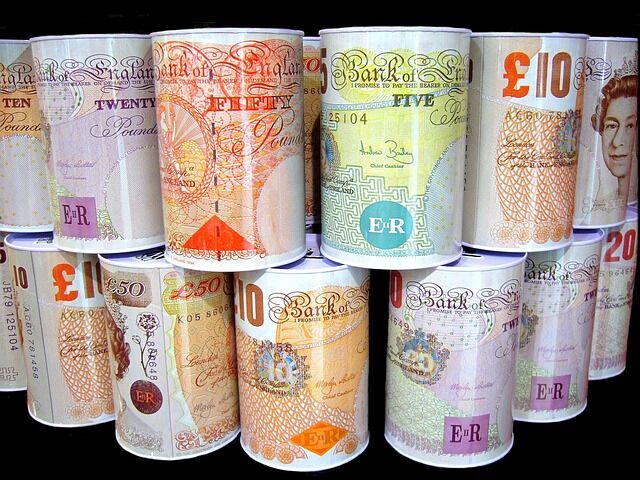
UK Currency and Money Tips
What you need to know about the British Pound, card payments, tipping, and avoiding extra fees.
Read Guide